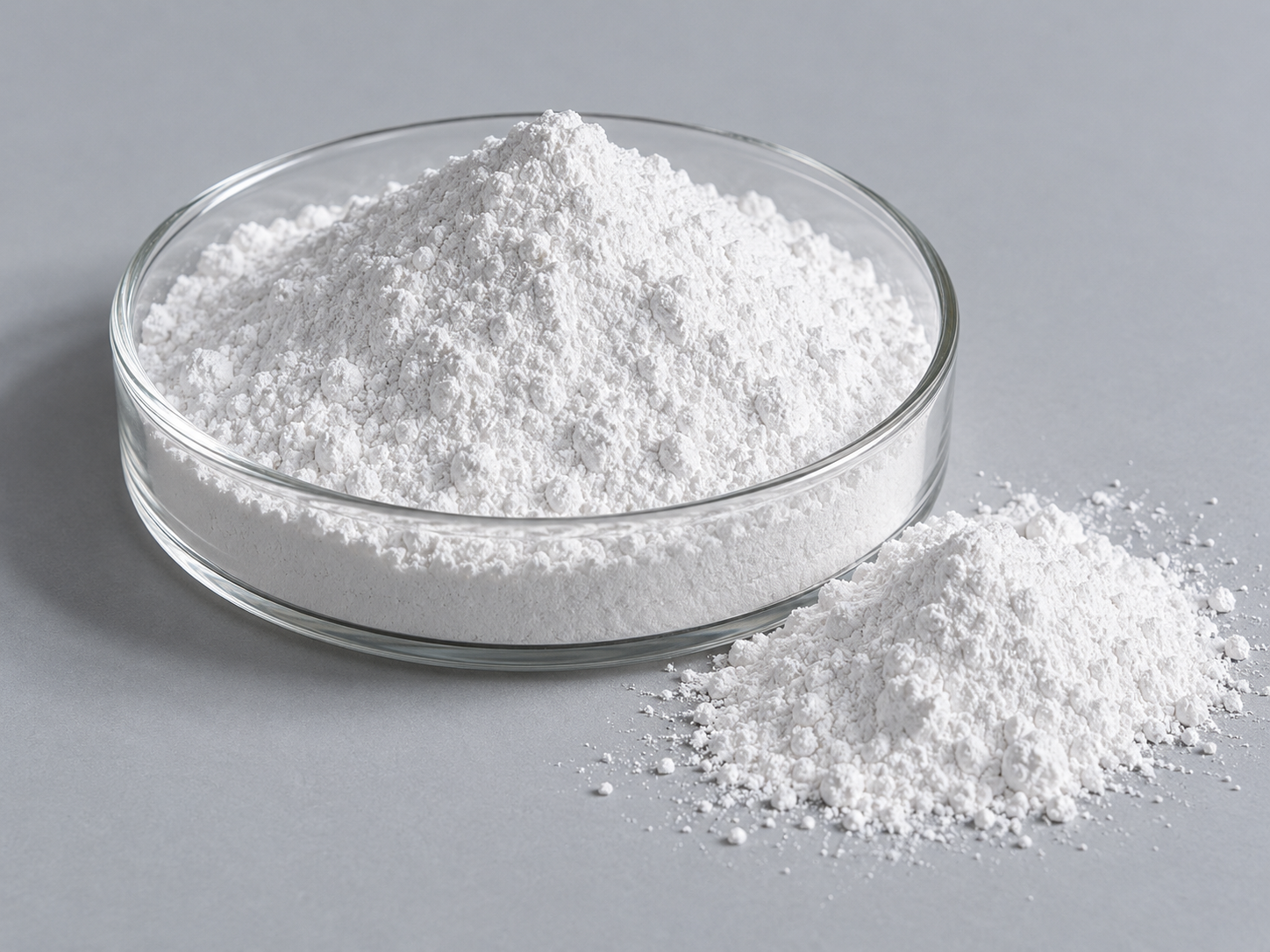
Road material bags and samples of resin, mineral powder, pigment and glass beads
RAW MATERIAL MANUFACTURER

Raw materials.
Technical solutions.

Fuxin manufactures raw materials for road marking and surface systems, with technical solutions tailored to your formulation and application needs.

01 / 05
Raw Material Manufacturer Materials from the source
Technical Solutions Support for your application
Formulation Support Material selection & compatibility
Direct Factory Contact Discuss supply & technical needs
OUR PRODUCTS

Materials for Road Marking

Marking compounds, reflective components and supporting materials, with guidance on system selection and compatibility.

View More
Road Marking Pigments

Road Marking Pigments

Road Marking Pigments are fine powdered colorants used to provide color and opacity in road marking paints. White and yellow pigment options are available for different formulation requirements, including titanium dioxide for white markings and suitable yellow pigments for yellow markings. Grade selection depends on the paint system, processing temperature, desired shade, and application requirements.

USD $5.99–$9.99/ KG
EXPLORE PRODUCT
C5 Hydrocarbon Resin

C5 Hydrocarbon Resin

C5 Hydrocarbon Resin is a thermoplastic binder used in hot-melt road marking paints. It helps bind pigments and fillers, supports smooth application, and contributes to the adhesion and strength of the finished marking. Available in transparent and light-yellow granules, depending on the grade.

USD $1,275–$1,350/ metric ton
EXPLORE PRODUCT
Thermoplastic Road Marking Paint

Thermoplastic Road Marking Paint

Hot-applied marking compounds for durable white and yellow lines on highways, urban roads and industrial sites. Choose a thermoplastic system around the road surface, traffic volume, application equipment and local specification. Pair the compound with a compatible drop-on bead system for nighttime visibility. Typical applications include highways, urban roads, pedestrian crossings. Select the grade around your screed, spray or extrusion equipment. Discuss the compound and drop-on glass beads as one marking system. Confirm substrate preparation and the selected grade’s heating instructions.

USD $374–$492/ ton
EXPLORE PRODUCT
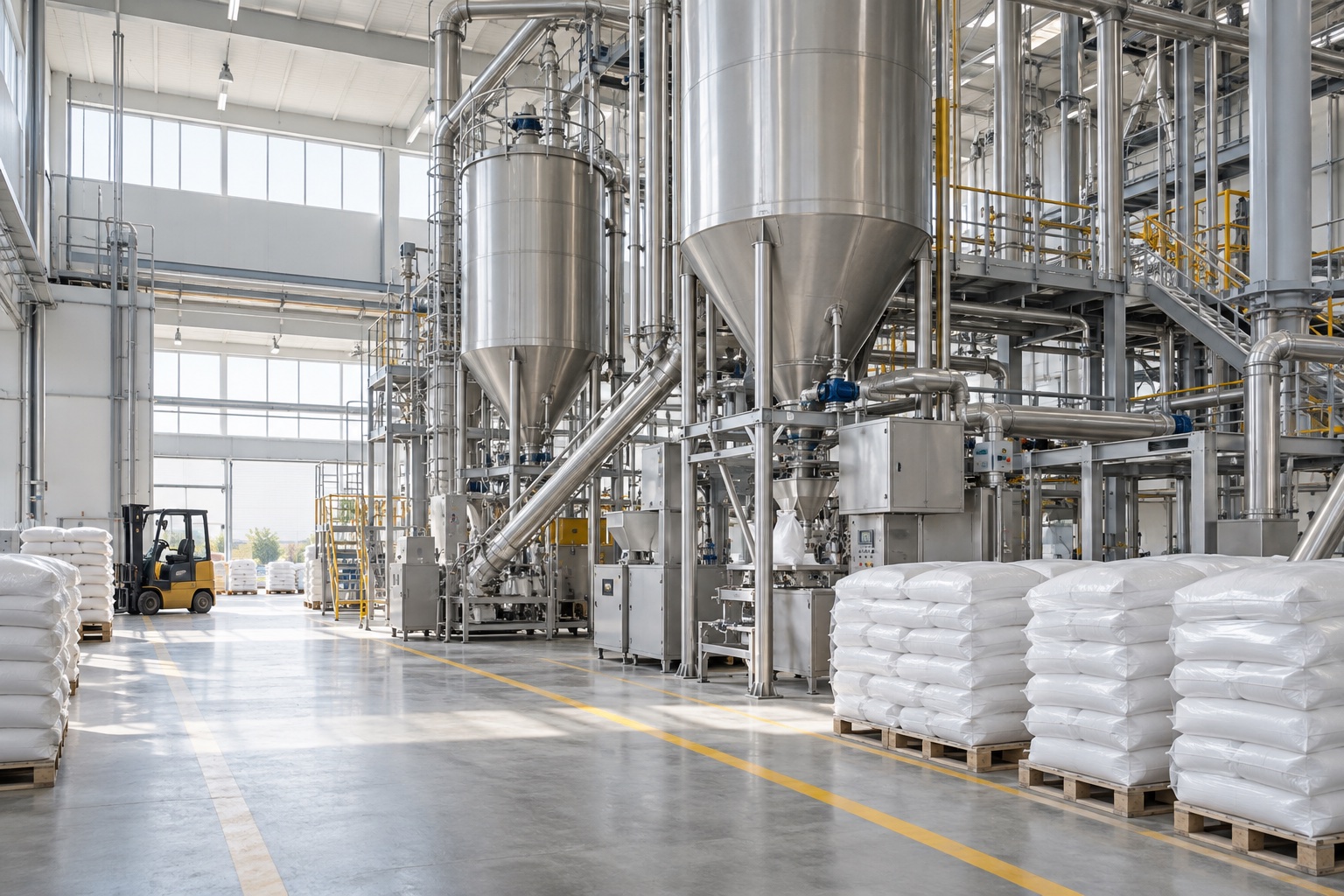
Illustrative road material production environment
MANUFACTURING EXPERTISE. TECHNICAL INSIGHT.
ABOUT FUXIN

Solutions built around you.

Henan Fuxin New Material Technology Co., Ltd. is a raw material manufacturer based in Xinxiang, China. We combine manufacturing expertise with technical solutions for road marking, colored pavement and surface systems.

Raw Material Manufacturing

Discuss material grades, specifications and supply directly with the manufacturer.

Material Solutions

Match materials to your formulation, target properties and application conditions.

Technical Guidance

Get guidance on selection, compatibility and practical application challenges.

Direct Collaboration

Coordinate technical requirements, packaging and delivery with one dedicated team.

WHERE OUR MATERIALS WORK

Materials for every application.

Explore material applications with technical guidance for each setting.

View More
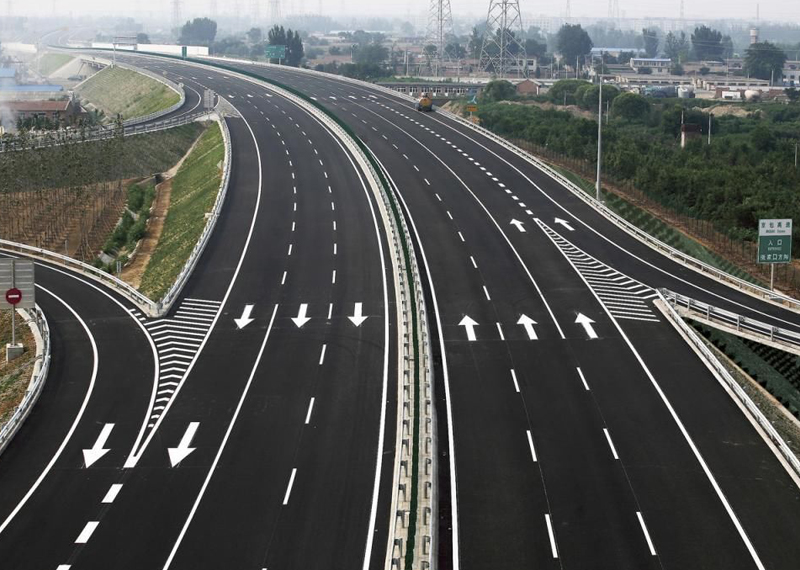
Thermoplastic Road Markings for High-Speed Traffic
01 / INFRASTRUCTURE

Thermoplastic Road Markings for High-Speed Traffic

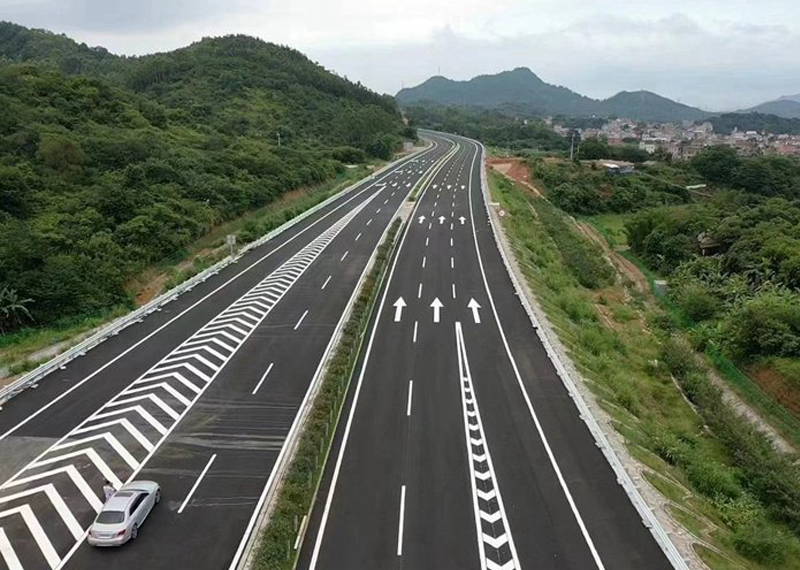
Highways and expressways require clear, durable, and highly visible road markings to ensure safe and efficient traffic flow. Thermoplastic road markings are widely used on high-speed roads due to their excellent wear resistance, strong adhesion, and long service life.
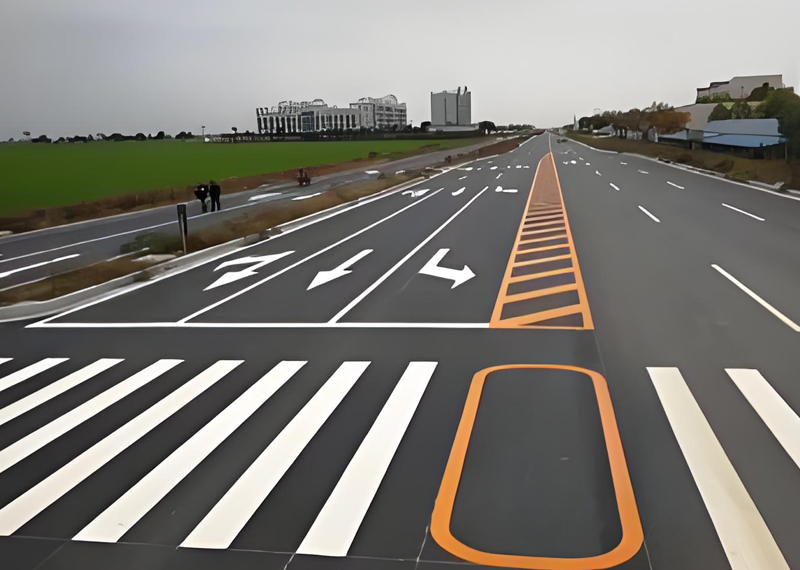
Thermoplastic Road Markings for Urban Traffic Safety
02 / URBAN MOBILITY

Thermoplastic Road Markings for Urban Traffic Safety

City roads and pedestrian crossings require clear and durable pavement markings to improve traffic organization, enhance pedestrian safety, and support efficient urban mobility. Thermoplastic road markings are widely used in urban environments due to their excellent visibility, durability, and long-term performance.
Thermoplastic Road Markings for Industrial Traffic Management
03 / WORKING SPACES

Thermoplastic Road Markings for Industrial Traffic Management

Industrial facilities require clear and durable road markings to support safe vehicle movement, pedestrian guidance, and efficient site operations. Thermoplastic road markings are widely used in factories, warehouses, logistics centers, and industrial parks due to their excellent durability, visibility, and long service life.
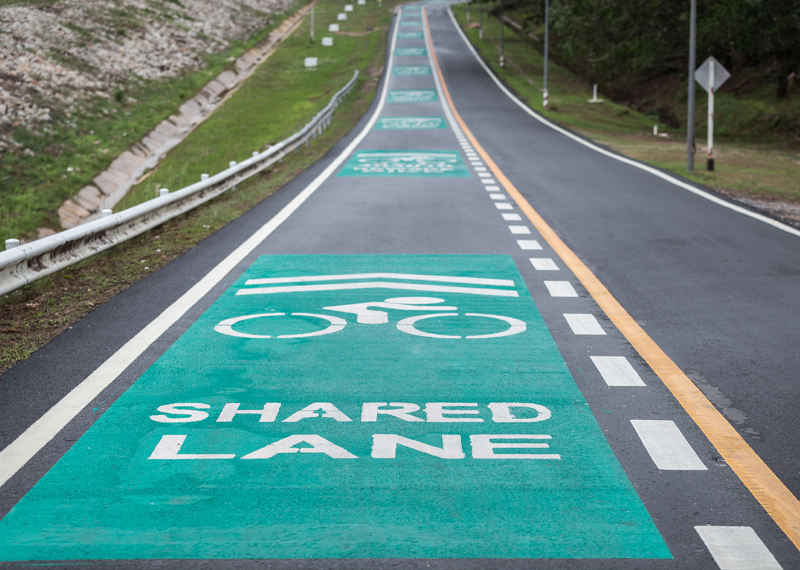
Thermoplastic Road Markings for Cycleways and Pedestrian Safety
04 / ACTIVE TRAVEL

Thermoplastic Road Markings for Cycleways and Pedestrian Safety

Cycleways and pedestrian areas require clear, durable, and highly visible road markings to separate different traffic users and improve safety. Thermoplastic road markings are widely used for bicycle lanes, pedestrian crossings, shared paths, and other urban mobility areas because of their excellent visibility, wear resistance, and long-lasting performance.
Thermoplastic Road Markings for Clear Traffic Communication
05 / DIRECTIONAL MARKINGS

Thermoplastic Road Markings for Clear Traffic Communication

Road symbols and legends provide essential visual information for drivers, cyclists, and pedestrians. Clear and durable markings help communicate traffic rules, directions, warnings, and road-use information across highways, city streets, parking areas, and other traffic environments.
Thermoplastic Road Markings for Dedicated Bus Lanes
06 / SURFACE MAINTENANCE

Thermoplastic Road Markings for Dedicated Bus Lanes

Dedicated bus lanes require clear and highly visible markings to distinguish public transport routes from general traffic lanes. Thermoplastic road markings provide a durable solution for defining bus-only areas, bus stops, lane boundaries, and related traffic information in urban transportation networks.
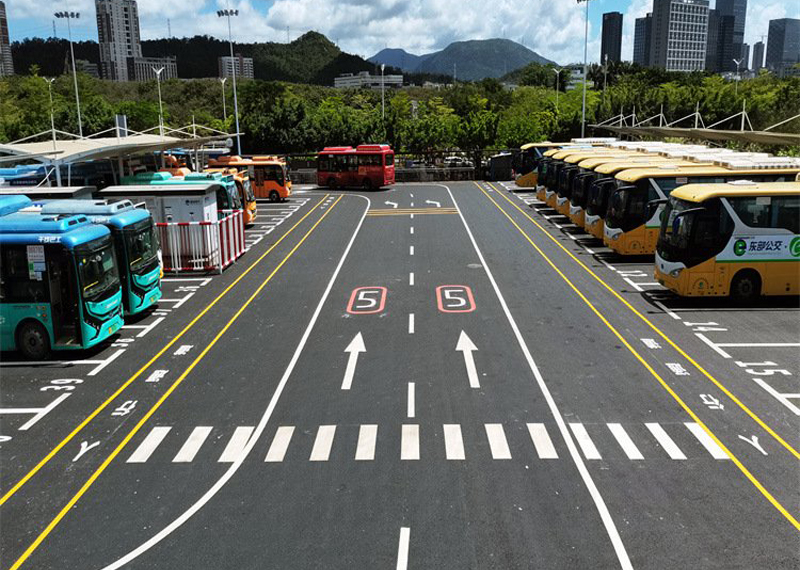
Thermoplastic Road Markings for Parking Areas and Access Roads
07 / PARKING AREAS

Thermoplastic Road Markings for Parking Areas and Access Roads

Car parks and access roads require clear, durable, and highly visible markings to organize vehicle movement, define parking spaces, and improve pedestrian safety. Thermoplastic road markings provide a practical solution for parking facilities, driveways, access roads, loading areas, and other vehicle circulation zones.
Colored Pavement Systems & Road Markings
08 / COLORED SURFACES

Colored Pavement Systems & Road Markings

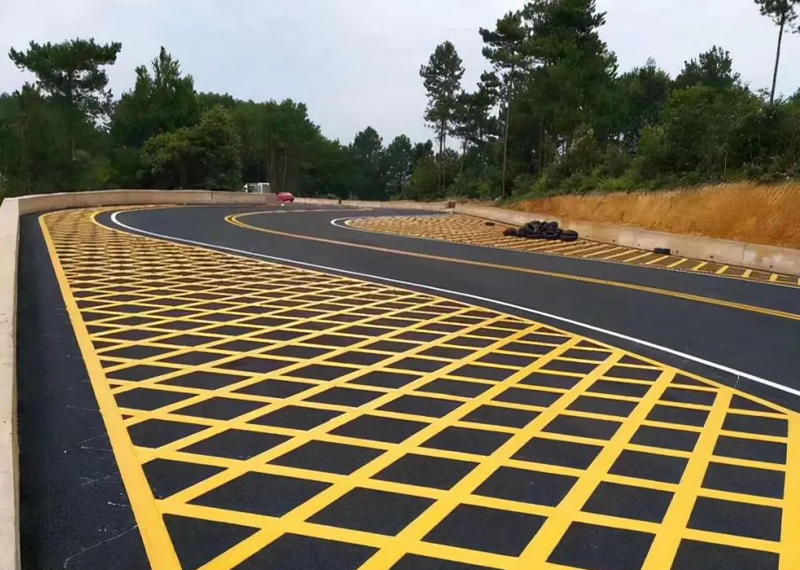
A coordinated combination of colored pavement and road markings can improve traffic organization while creating a consistent pavement appearance. Colored surfaces can highlight specific areas, while thermoplastic markings provide clear lane boundaries, symbols, arrows, pedestrian crossings, and other traffic information.
TECHNICAL SOLUTIONS

Material knowledge.
Practical solutions.

From raw material selection to application challenges, Fuxin helps you develop a suitable material system.

Talk to Our Team

Material Selection

Match material grades to your substrate, service conditions and performance requirements.

Formulation & Compatibility

Review material combinations, compatibility and trial priorities for your formulation.

Application Guidance

Discuss mixing, processing and application conditions to support practical use.

Technical Problem Analysis

Review observed issues and site conditions to identify possible causes and next steps.

KNOWLEDGE & INSIGHTS

Insights for better material decisions.

Practical guidance on material selection, marking performance and project preparation.

View More
KNOWLEDGE & INSIGHTS

Road Marking Application Process: A Step-by-Step Guide

Road marking application is an essential part of road construction and maintenance. Proper installation helps create clear lane lines, pedestrian crossings, directional arrows, and traffic symbols. The quality of the finished markings depends on material selection, pavement preparation, application conditions, and quality control throughout the process.

Read Guide
KNOWLEDGE & INSIGHTS

How to Evaluate Glass Bead Quality for Road Marking Materials

Glass bead quality plays an important role in the nighttime visibility and performance of reflective road markings. High-quality glass beads help return vehicle headlight illumination toward drivers, making lane lines, traffic symbols, and pedestrian crossings easier to see in low-light conditions. Evaluating bead properties before purchasing helps road marking contractors and material buyers achieve reliable results.

Read Guide
KNOWLEDGE & INSIGHTS

Glass Beads for Road Marking: Types, Sizes, and Applications

Glass beads are important components in reflective road marking systems. They help improve nighttime visibility by returning vehicle headlight illumination toward drivers, making lane lines, pedestrian crossings, and traffic symbols easier to see in low-light conditions. Their performance depends on bead type, particle size, application method, and compatibility with the road marking material.

Read Guide


COMMON QUESTIONS

The right material.
A clearer decision.

Work directly with Fuxin to clarify material requirements, evaluate suitability and plan your next order.

  • Material selection & compatibility
  • Trial evaluation & technical guidance
  • Clear specifications & supply details

Let’s discuss your material challenge.

Send us your application, target performance and current questions. We can help define the next steps.

Discuss Your Requirements
01 Will the materials work with my formulation?

Suitability depends on your binder system, other ingredients, processing equipment and application conditions. Share these details and your target properties so we can discuss appropriate grades, compatibility considerations and a trial plan before you commit to bulk supply.

02 How can I assess quality and specification compliance?

Provide the specification and test methods required for your project. Ask our team to confirm the technical data, safety information and test documentation available for the proposed grade. Agree on acceptance criteria before ordering and validate performance in your intended system.

03 Can I evaluate materials before a bulk order?

Contact us to discuss sample availability, the required quantity and your trial objectives. Sample costs, shipping and timing need to be confirmed for the selected material. Use your formulation and application conditions to assess the trial before scaling up.

04 What if I encounter formulation or application problems?

Share the material grade, formulation, processing settings and a description or photos of the issue. Our team can discuss compatibility, mixing and application factors, and help identify practical next steps for evaluation. Final performance should be checked under your actual conditions.

05 What should I confirm about minimum orders, delivery and costs?

Minimum order quantities, packaging and lead times depend on the material grade, volume and destination. Request a quotation covering these details, payment terms and agreed trade terms. Confirm freight responsibilities, required documents and any sample or testing charges before ordering.